

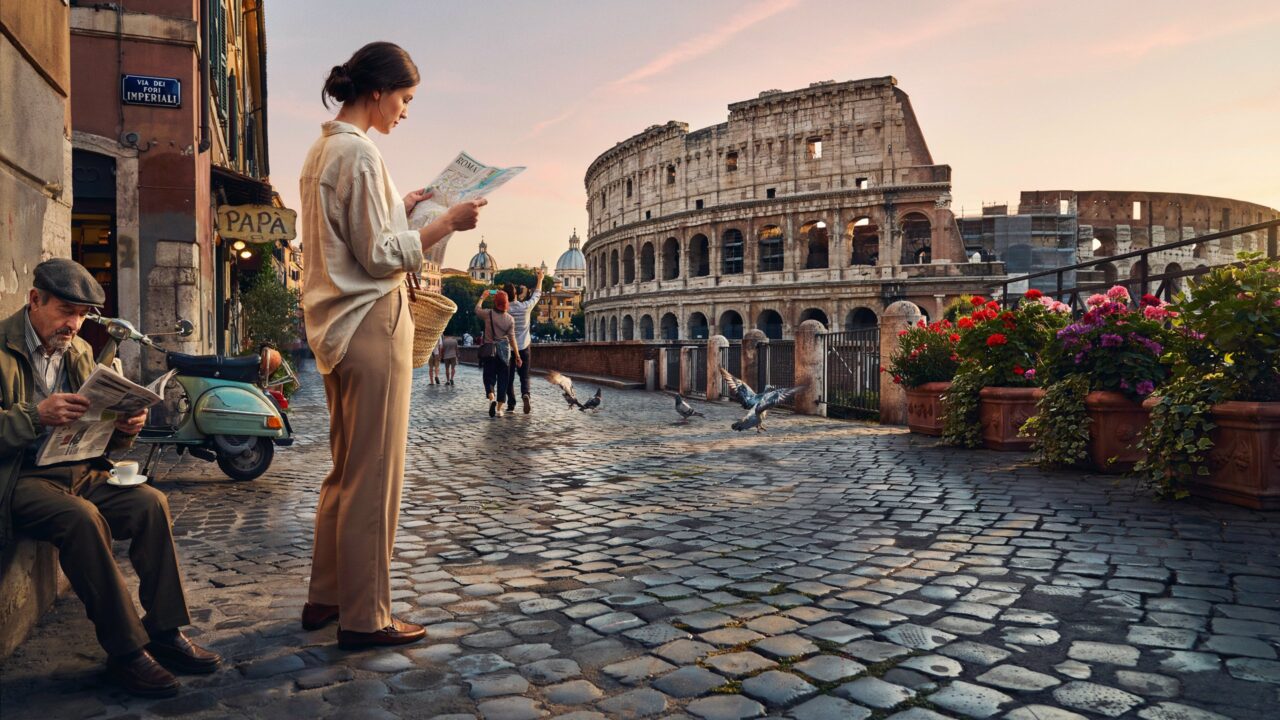
Rome is one of those rare cities that exceeds expectations. Known as the Eternal City, Rome combines more than 2,700 years of history with world-famous architecture, incredible food, vibrant neighborhoods, and unforgettable cultural experiences.
For first-time visitors, Rome can feel overwhelming. Ancient ruins stand beside modern cafés. Hidden churches contain priceless masterpieces. Every street seems to lead to another fountain, piazza, or historical landmark.
This comprehensive Rome travel guide for first-time visitors will help you understand where to stay, what to see, how to get around, what to eat, and how to avoid common mistakes that many travelers make during their first visit.
Whether you’re visiting Rome as part of a larger Italy itinerary or planning a dedicated city break, this guide will help you make the most of your trip in 2026.
Quick Facts About Rome
| Category | Details |
| Country | Italy |
| Currency | Euro (€) |
| Language | Italian |
| Time Zone | CET / CEST |
| Main Airports | Fiumicino (FCO), Ciampino (CIA) |
| Population | Approximately 4.3 million |
| Best Trip Length | 3–4 Days |
| Emergency Number | 112 |
| Water Safety | Tap water is safe to drink |
One of the most useful things for travelers to know is that Rome has more than 2,500 public drinking fountains known as Nasoni. These fountains provide free, clean drinking water throughout the city and can save travelers a surprising amount of money during summer sightseeing.
Best Time to Visit Rome
Rome is one of the most popular destinations during the summer season. If you’re exploring other European destinations for your trip, check out our guide to the Best Places to Visit in Europe in Summer 2026.
Spring (April to June) Best Time for First-Time Visitors
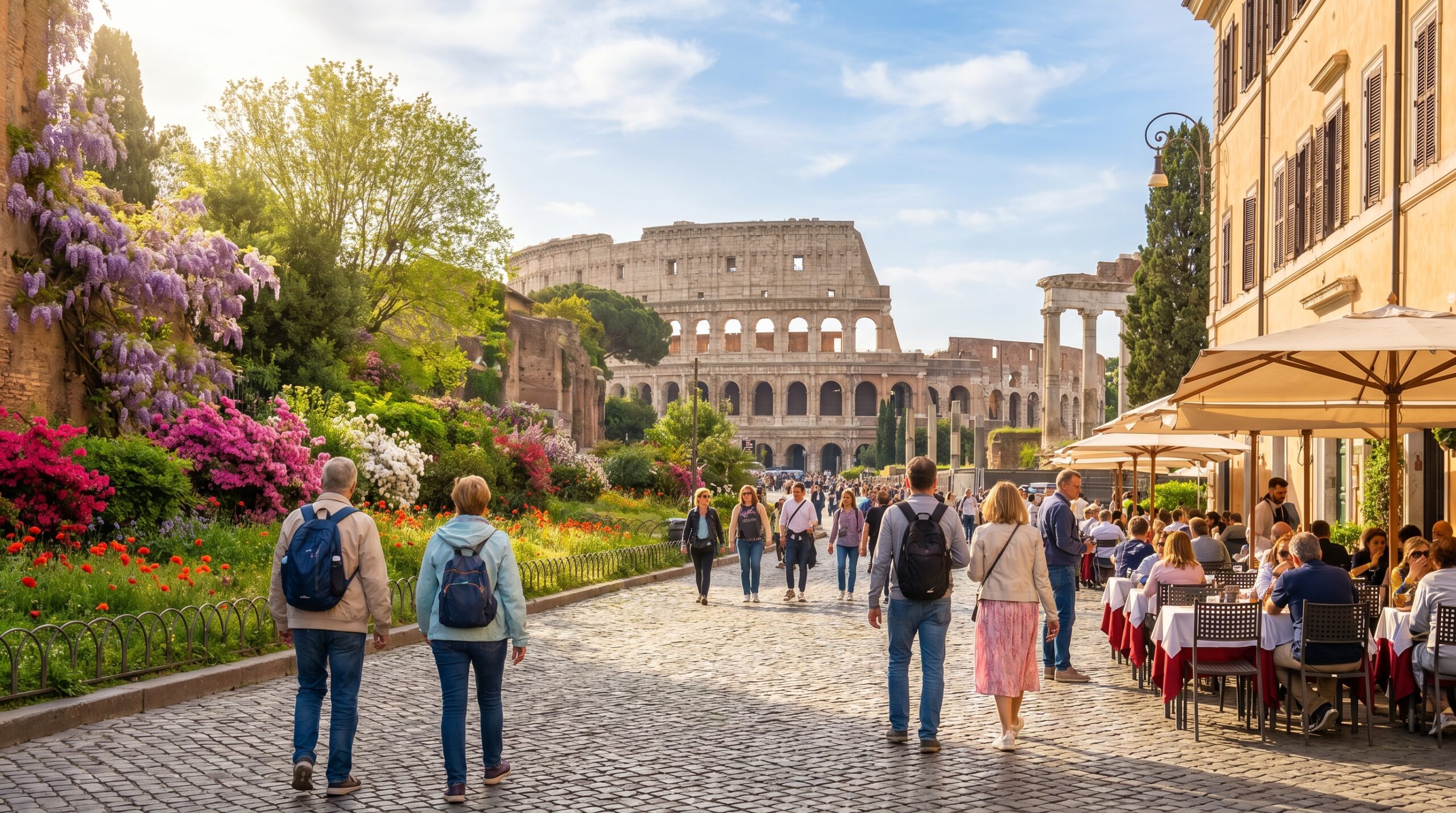
Spring is one of the most popular times to visit Rome. The weather is pleasant, flowers are in bloom, and it is comfortable to explore the city on foot.
Temperatures usually range between 16°C and 25°C, making it perfect for sightseeing and outdoor activities.
Why Visit in Spring?
- Pleasant weather for walking and sightseeing
- Beautiful parks and gardens
- Outdoor cafés and restaurants are lively
- Longer daylight hours for exploring
Things to Consider
- Popular attractions can be crowded during Easter
- Hotel prices are generally higher than in winter
Summer (July to August) Peak Tourist Season
Summer is the busiest and hottest time of the year in Rome. Temperatures often rise above 35°C, and sightseeing during the afternoon can be uncomfortable.
If you plan to visit during summer, it is best to start your day early and avoid spending too much time outdoors during the hottest hours.
Travel Tips for Summer
- Visit major attractions before 9:00 AM
- Take a break during the afternoon heat
- Carry a reusable water bottle
- Book attraction tickets and hotels in advance
Things to Consider
- Large crowds at major landmarks
- High accommodation prices
- Some local businesses may close during August holidays
Autumn (September to October) – Best Overall Season
Many travelers consider autumn the best time to visit Rome. The summer crowds begin to decrease, while the weather remains warm and comfortable.
September still feels like summer, while October offers cooler temperatures and a more relaxed atmosphere.
Why Visit in Autumn?
- Fewer tourists compared to summer
- Comfortable temperatures for sightseeing
- Better hotel availability
- Food festivals and seasonal events
- Pleasant evenings for exploring the city
October is especially ideal for first-time visitors because Rome remains lively without feeling overcrowded.
Winter (November to March) – Best for Budget Travelers
Winter is the quietest and most affordable season to visit Rome. While temperatures are cooler, the city is less crowded and easier to explore.
Many famous attractions have shorter lines, allowing you to spend more time enjoying the sights and less time waiting.
Why Visit in Winter?
- Lower hotel prices
- Shorter queues at popular attractions
- Easier restaurant reservations
- Great opportunities for photography
Things to Consider
- Cooler weather
- Shorter daylight hours
January and February are usually the cheapest months to visit Rome, making them a great choice for budget-conscious travelers.
Where to Stay in Rome for First-Time Visitors
Choosing the right area to stay in Rome can make a huge difference to your trip. Some neighborhoods are better for sightseeing, while others are ideal for food lovers, families, or budget travelers. Here’s a simple guide with average hotel costs and facilities to help you choose the best area for your travel style.
1. Centro Storico (Historic Center)
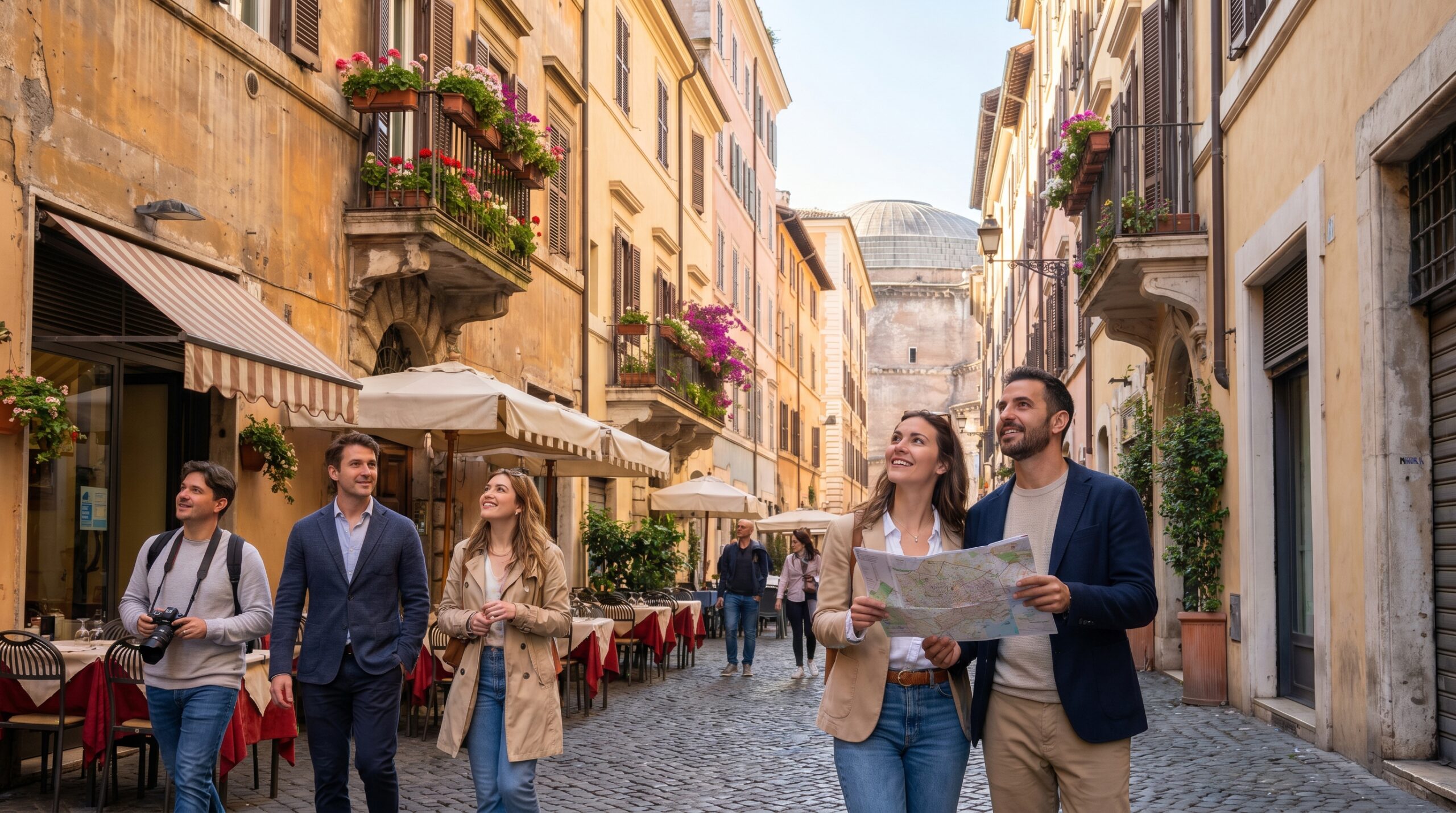
Best For: First-time visitors who want to be close to Rome’s most famous attractions.
If you stay in Centro Storico, you can easily walk to:
- Pantheon
- Trevi Fountain
- Piazza Navona
- Campo de’ Fiori
This is the heart of Rome and the most convenient area for sightseeing.
Average Stay Cost (2026):
- Budget hotels: €120–180 per night
- Mid-range hotels: €200–350 per night
- Luxury hotels: €400–800+ per night
Facilities & Benefits:
- Walking distance to Trevi Fountain, Pantheon, and Piazza Navona
- Surrounded by restaurants, cafés, and shopping streets
- Perfect for sightseeing without using public transport
- Beautiful historic atmosphere with traditional Roman architecture
Pros
✔ Walk almost everywhere
✔ Beautiful historic atmosphere
✔ Perfect for first-time visitors
Cons
✖ Most expensive area in Rome
✖ Smaller hotel rooms
✖ No direct metro stations in many parts
Recommended for: Couples, honeymooners, and first-time visitors who want maximum convenience.
2. Trastevere
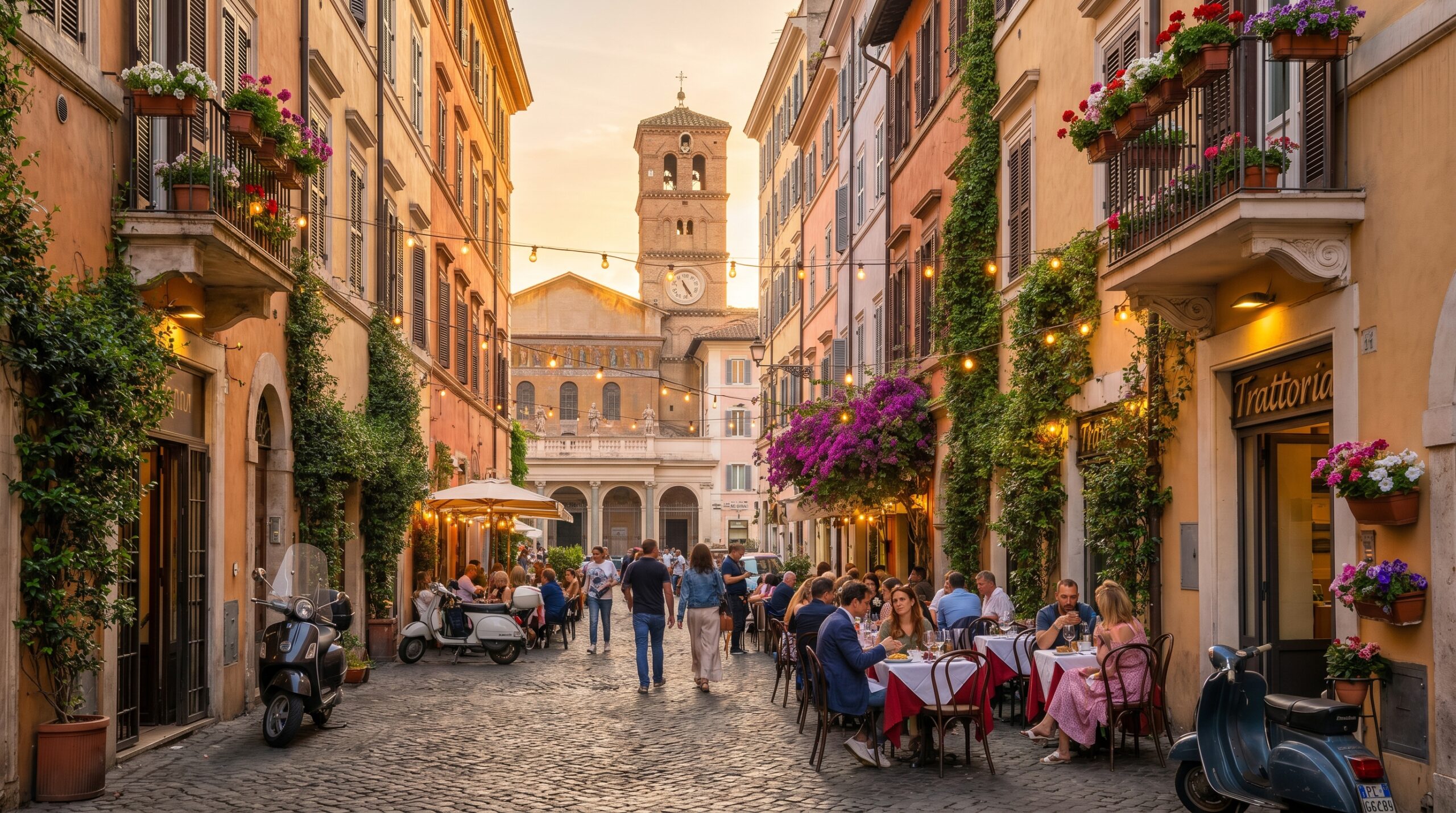
Best For: Food lovers, couples, and travelers looking for a local Roman experience.
Trastevere is famous for:
- Traditional Italian restaurants
- Charming cobblestone streets and historic buildings
- Vibrant nightlife and local culture
- Authentic Roman atmosphere
- Great choice for couples and food lovers
Average Stay Cost (2026):
- Budget hotels: €90–140 per night
- Mid-range hotels: €150–280 per night
- Luxury hotels: €300–600+ per night
Pros
✔ Excellent food scene
✔ Authentic Roman vibe
✔ Great nightlife
Cons
✖ Limited metro access
✖ Can be noisy late at night
Recommended for: Couples, food lovers, and travelers who enjoy exploring local neighborhoods.
3. Monti
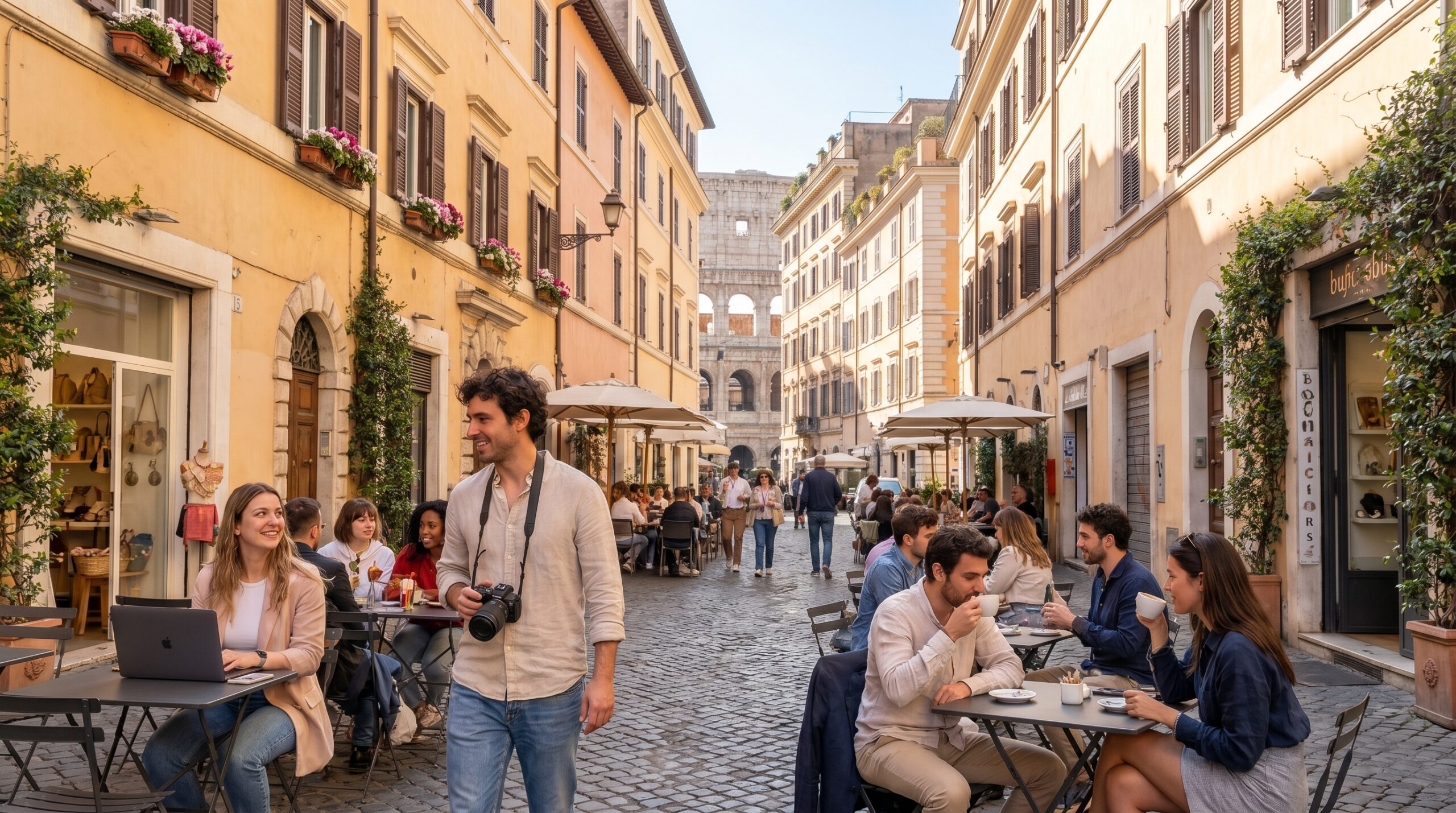
Best For: Solo travelers, young couples, and digital nomads.
Monti is one of Rome’s trendiest neighborhoods and is located near the Colosseum.
You’ll find:
- Close to the Colosseum and Roman Forum
- Easy metro access for exploring Rome
- Trendy cafés, wine bars, and boutique shops
- Local neighborhood feel with fewer tourists
Average Stay Cost (2026):
- Budget hotels: €100–150 per night
- Mid-range hotels: €180–300 per night
- Luxury hotels: €350–700+ per night
Pros
✔ Near major attractions
✔ Good public transportation
✔ Less touristy than Centro Storico
Cons
✖ Some hilly streets
✖ Hotels sell out quickly
Recommended for: Solo travelers, young couples, and visitors who want a mix of sightseeing and local culture.
Prati
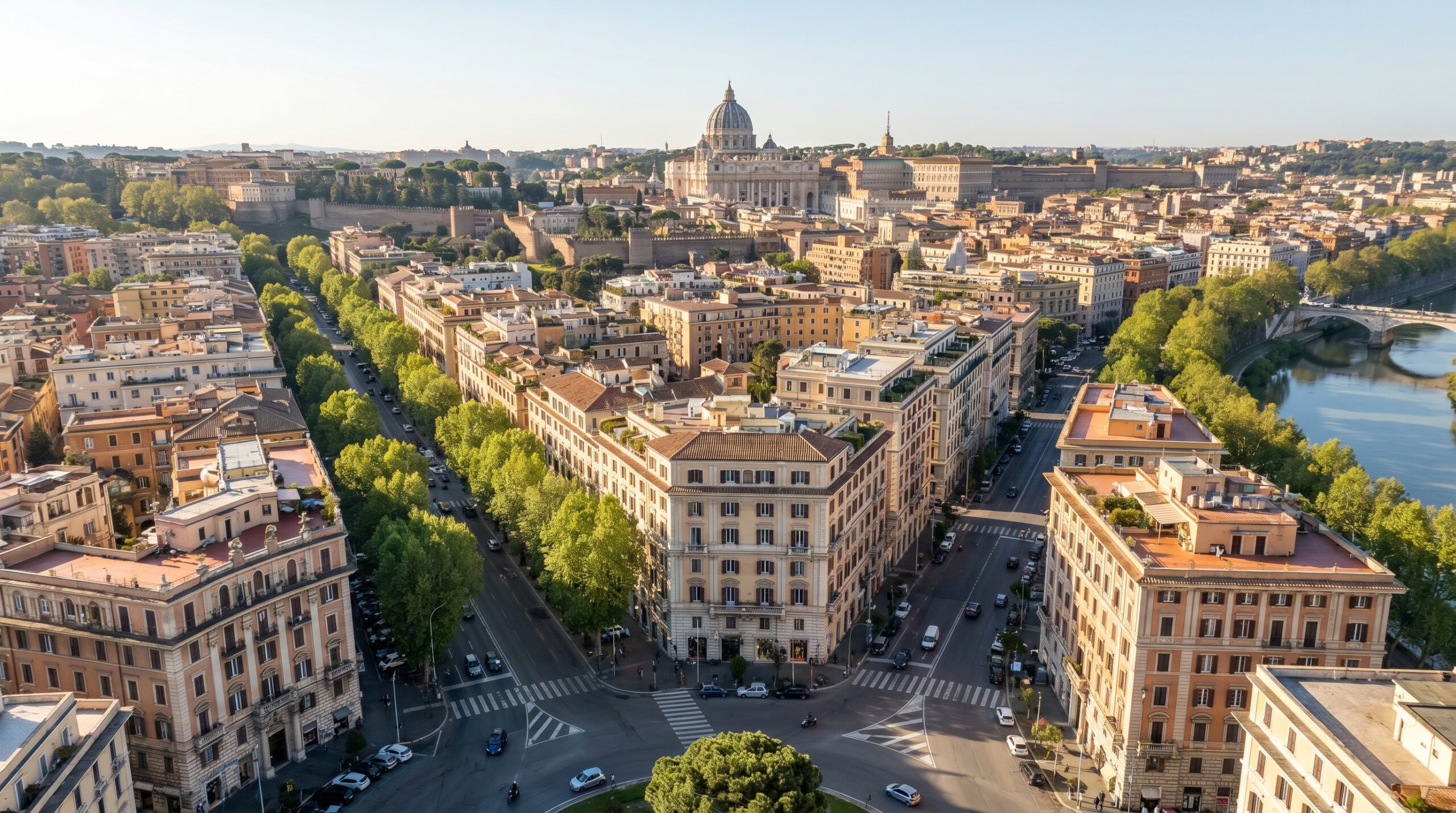
Best For: Families, couples, and travelers planning to visit Vatican City.
Prati is one of Rome’s safest and most comfortable neighborhoods. Located close to Vatican City, this area is known for its clean streets, modern hotels, excellent restaurants, and relaxed atmosphere.
Average Hotel Cost (2026):
- Budget Hotels: €100–150 per night
- Mid-Range Hotels: €180–280 per night
- Luxury Hotels: €350–650+ per night
What to Expect:
- Larger and more modern hotel rooms
- Walking distance to Vatican City and St. Peter’s Basilica
- Family-friendly environment
- Great shopping streets and local restaurants
- Less crowded compared to central tourist areas
Pros:
✔ Safe and peaceful neighborhood
✔ Spacious accommodations
✔ Excellent dining and shopping options
✔ Ideal for families and senior travelers
Cons:
✖ Further from the Colosseum and Roman Forum
✖ Less historic atmosphere than Centro Storico or Trastevere
Travel Tip: Stay in Prati if you prefer larger hotel rooms, fewer crowds, and easy access to Vatican City.
Esquilino & Termini Area
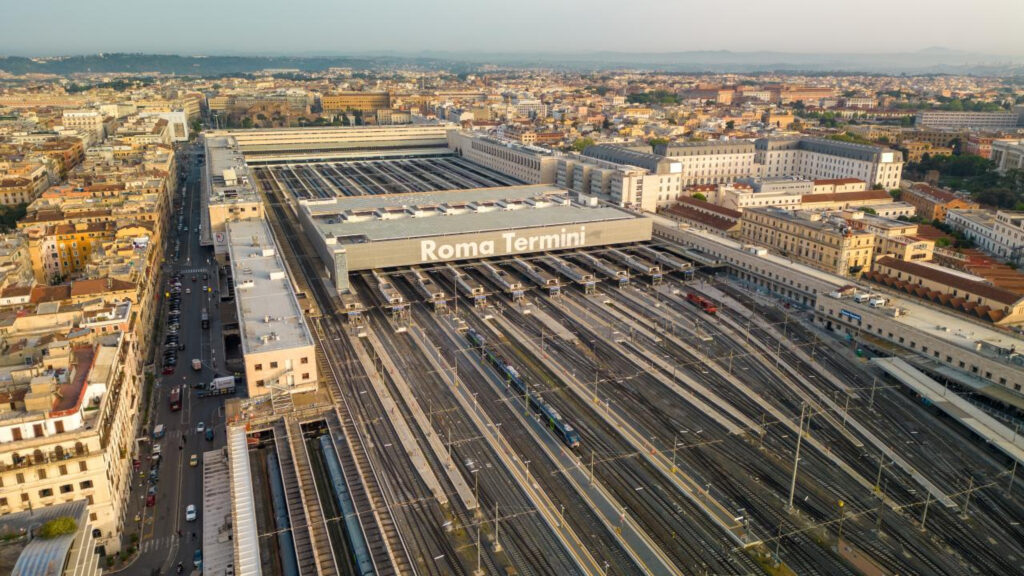
Best For: Budget travelers, backpackers, and visitors planning a short stay in Rome.
Located near Roma Termini, Rome’s main train station, this area is a popular choice for budget travelers thanks to its affordable hotels, excellent transport links, and easy access to major attractions and day trips across Italy.
Average Hotel Cost (2026):
- Budget Hotels & Hostels: €60–120 per night
- Mid-Range Hotels: €120–220 per night
- Luxury Hotels: €250–450 per night
What to Expect:
- Affordable hotels, hostels, and guesthouses
- Direct train connections to airports and other cities
- Easy access to metro, buses, and trams
- Plenty of restaurants, supermarkets, and convenience stores
- Convenient location for exploring Rome and beyond
Pros:
✔ Most affordable area in central Rome
✔ Excellent transport links across the city
✔ Ideal for short stays and day trips
✔ Wide range of budget accommodation options
Cons:
✖ Less historic and atmospheric than other neighborhoods
✖ Can feel busy and crowded during the day
✖ Some streets around the station are less pleasant at night
Recommended For: Budget travelers, backpackers, solo travelers, and visitors staying in Rome for 2–3 days.
Travel Tip: Stay near Roma Termini if you’re looking for the best transport connections and affordable accommodation without spending a fortune on hotels.
Quick Comparison Table
| Area | Best For | Average Hotel Cost |
| Centro Storico | First-time visitors | €120–800+ |
| Trastevere | Food lovers & couples | €90–600+ |
| Monti | Solo travelers & young couples | €100–700+ |
| Prati | Families & Vatican visitors | €100–650+ |
| Termini | Budget travelers | €60–450+ |
Understanding Rome’s Geography
One of the biggest mistakes first-time visitors make is underestimating walking distances.
A simple way to understand Rome:
- Vatican City = West
- Colosseum = East
- Historic Center = Middle
- Trastevere = Southwest
Once you understand this layout, navigating the city becomes much easier.
Rome is often called an outdoor museum because many of its most impressive attractions appear unexpectedly while walking between destinations.
Top Things to Do in Rome for First-Time Visitors
Rome is full of historic landmarks, beautiful squares, and unforgettable experiences. If you’re visiting for the first time, make sure these attractions are on your list.
1. Explore the Colosseum, Roman Forum & Palatine Hill
Step into Ancient Rome by visiting the iconic Colosseum, where gladiators once fought. Your ticket also includes the Roman Forum and Palatine Hill, offering incredible views and a glimpse into Rome’s rich history.
Travel Tip: Book tickets in advance to avoid long queues.
How to Reach:
- Nearest Metro Station: Colosseo (Metro Line B) – directly outside the Colosseum (1–2 minute walk)
- Nearest Train Station: Roma Termini – approximately 2 km away (5 minutes by Metro or 25 minutes on foot)
- Nearest Airport: Fiumicino Airport (FCO) – approximately 30 km away (35–45 minutes by train/taxi)
- Bus Routes: 75, 81, 85, 87, 118, and 810 stop near the Colosseum
- Taxi from City Center: Usually €8–15 depending on location
2. Visit Vatican City & St. Peter’s Basilica
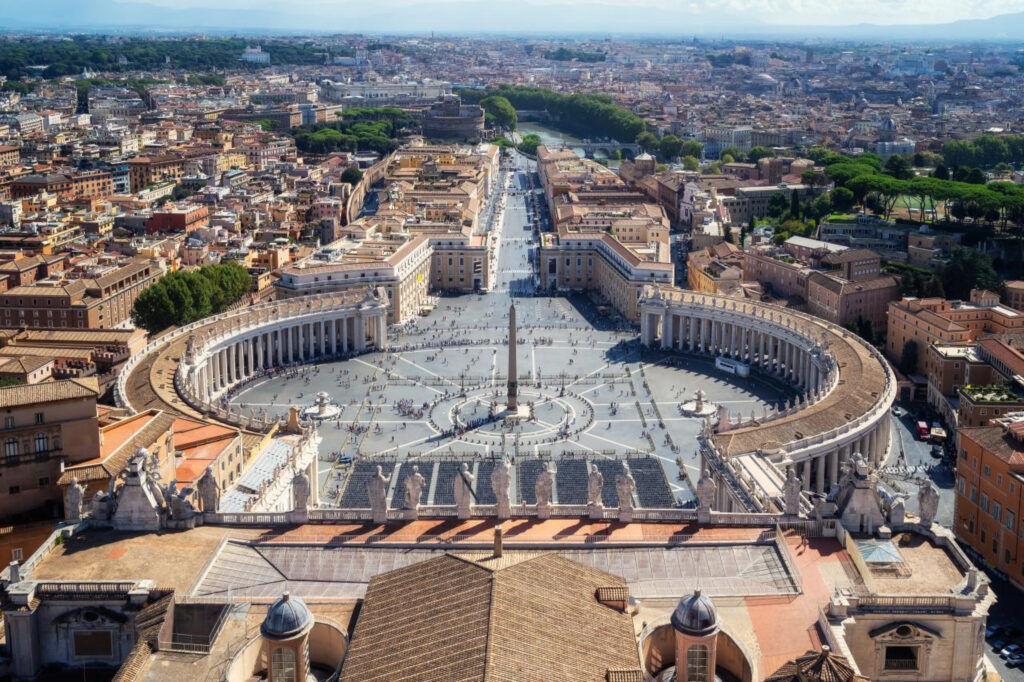
Discover the world’s smallest country and explore St. Peter’s Basilica, the Vatican Museums, and the famous Sistine Chapel.
Travel Tip: Visit early in the morning to avoid long queues.
How to Reach:
- 🚇 Nearest Metro: Ottaviano Station (Line A) – 5 minutes walk
- 🚆 From Roma Termini: 15 minutes by Metro Line A
- ✈️ From Fiumicino Airport (FCO): 32–45 minutes by train
- 🚌 Bus Routes: 40, 64, 62
- 🚶 From Castel Sant’Angelo: 10 minutes walk
3. Toss a Coin into the Trevi Fountain
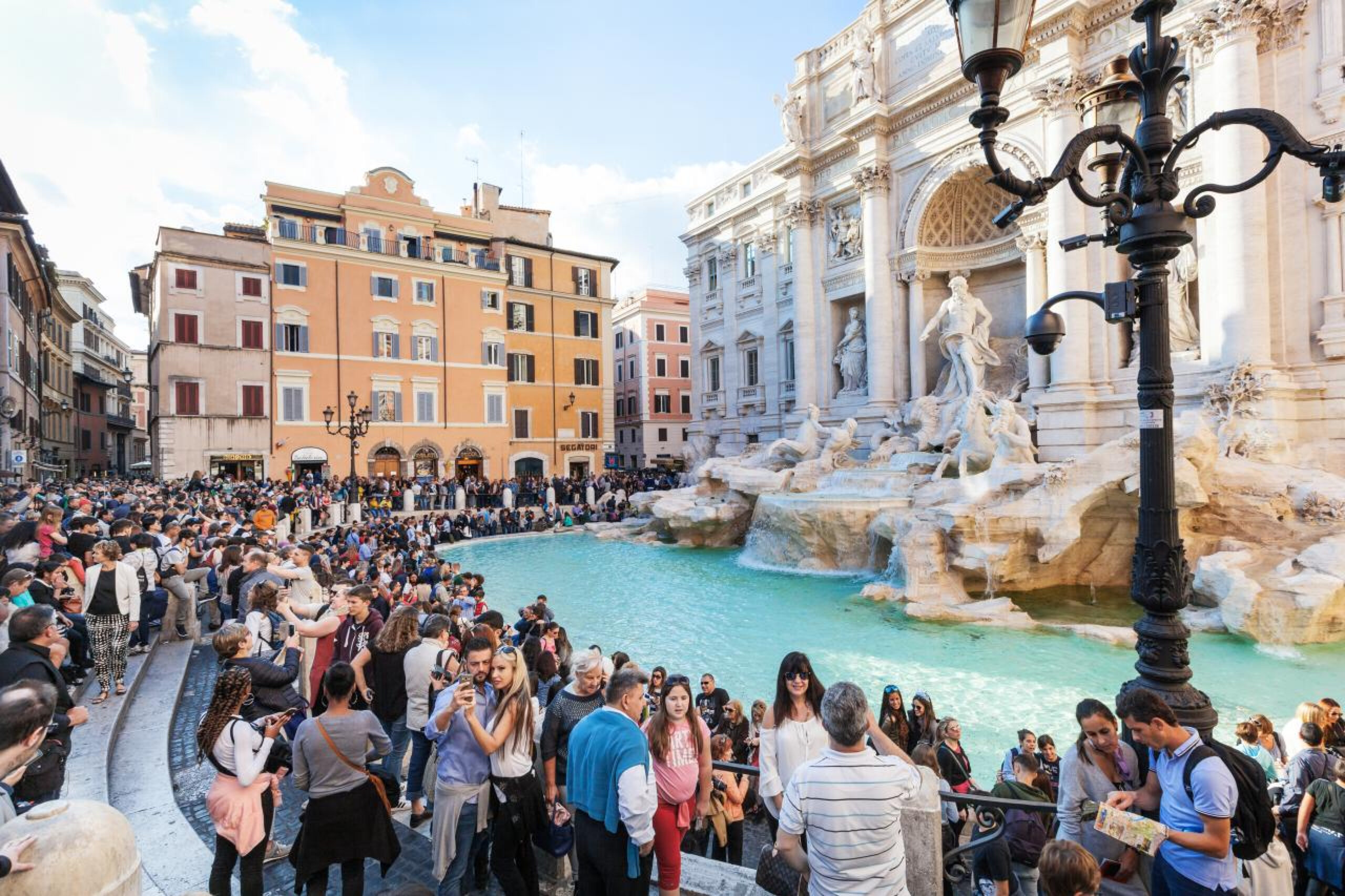
One of Rome’s most famous landmarks, the Trevi Fountain attracts visitors from around the world. According to tradition, tossing a coin into the fountain means you’ll return to Rome someday.
Travel Tip: Visit early morning ( before 9 AM ) for fewer crowds and better photos.
How to Reach:
- 🚇 Nearest Metro: Barberini Station (Line A) – 8 minutes walk
- 🚆 From Roma Termini: 10 minutes by Metro
- ✈️ From Fiumicino Airport (FCO): 45–60 minutes
- 🚌 Bus Routes: 52, 53, 62, 71, 85
- 🚶 From Pantheon: 8 minutes walk
4. Discover the Pantheon
The Pantheon is one of Rome’s best-preserved ancient buildings and a masterpiece of Roman engineering. Its massive dome and famous Oculus (open ceiling) continue to impress visitors nearly 2,000 years after it was built.
Travel Tip: Visit early in the morning for fewer crowds and better photos.
How to Reach:
- 🚇 Nearest Metro: Barberini Station (Line A) – 15 minutes walk
- 🚆 From Roma Termini: 15–20 minutes by bus
- ✈️ From Fiumicino Airport (FCO): Approximately 50 minutes
- 🚌 Bus Routes: 30, 40, 62, 64, 81
- 🚶 From Trevi Fountain: 8 minutes walk
5. Wander Through Piazza Navona
Piazza Navona is one of Rome’s most beautiful squares, known for its stunning fountains, outdoor cafés, and lively atmosphere. It’s the perfect place to relax, enjoy the surroundings, and experience everyday Roman life.
Travel Tip: Visit in the evening when the square is at its most vibrant.
How to Reach:
- 🚇 Nearest Metro: Spagna Station (Line A) – 15 minutes walk
- 🚆 From Roma Termini: 20 minutes by bus
- ✈️ From Fiumicino Airport (FCO): Approximately 50 minutes
- 🚌 Bus Routes: 30, 40, 64, 70, 81
- 🚶 From Pantheon: 5 minutes walk
6. Explore Trastevere
Trastevere is a charming neighborhood filled with cobblestone streets, colorful buildings, and authentic Roman restaurants. It’s one of the best places to experience local culture and traditional Roman cuisine.
Travel Tip: Visit after sunset for the best dining experience.
How to Reach:
- 🚇 Nearest Metro: No direct metro station
- 🚆 Nearest Train: Roma Trastevere Station – 10 minutes by tram or bus
- ✈️ From Fiumicino Airport (FCO): 35–40 minutes
- 🚌 Bus Routes: H, 8 Tram, 23, 280
- 🚶 From Campo de’ Fiori: 15 minutes walk
7. Visit Galleria Borghese
Galleria Borghese is one of Rome’s most famous art museums, featuring masterpieces by Bernini, Caravaggio, and Raphael. Located inside Villa Borghese Park, it offers an incredible mix of art, history, and architecture.
Travel Tip: Book your tickets in advance ( around 2 weeks ago ) as daily entry is limited.
How to Reach:
- 🚇 Nearest Metro: Spagna Station (Line A) – 15 minutes walk
- 🚆 From Roma Termini: 10 minutes by metro
- ✈️ From Fiumicino Airport (FCO): 45–60 minutes
- 🚌 Bus Routes: 52, 53, 63, 83, 92
- 🚶 From Spanish Steps: 15 minutes walk
8. See the Spanish Steps
The Spanish Steps are one of Rome’s most iconic landmarks, connecting Piazza di Spagna with Trinità dei Monti Church. The area is also famous for luxury shopping, elegant cafés, and beautiful city views.
Travel Tip: Visit early morning to avoid crowds and capture the best photos.
How to Reach:
- 🚇 Nearest Metro: Spagna Station (Line A) – directly outside
- 🚆 From Roma Termini: 5 minutes by Metro Line A
- ✈️ From Fiumicino Airport (FCO): 45–60 minutes
- 🚌 Bus Routes: 62, 63, 80, 81, 85
- 🚶 From Trevi Fountain: 10 minutes walk
Travel Tip: Most of Rome’s top attractions are within walking distance of each other. Staying in Centro Storico, Monti, Prati, or Trastevere can help you save both time and transportation costs.
Must-Try Foods in Rome for First-Time Visitors
Food is an important part of the Roman experience, and trying local dishes is one of the best ways to explore the city’s culture. From traditional pasta recipes to famous street food and authentic Italian desserts, here are some foods every first-time visitor should try in Rome.
1. Try Cacio e Pepe
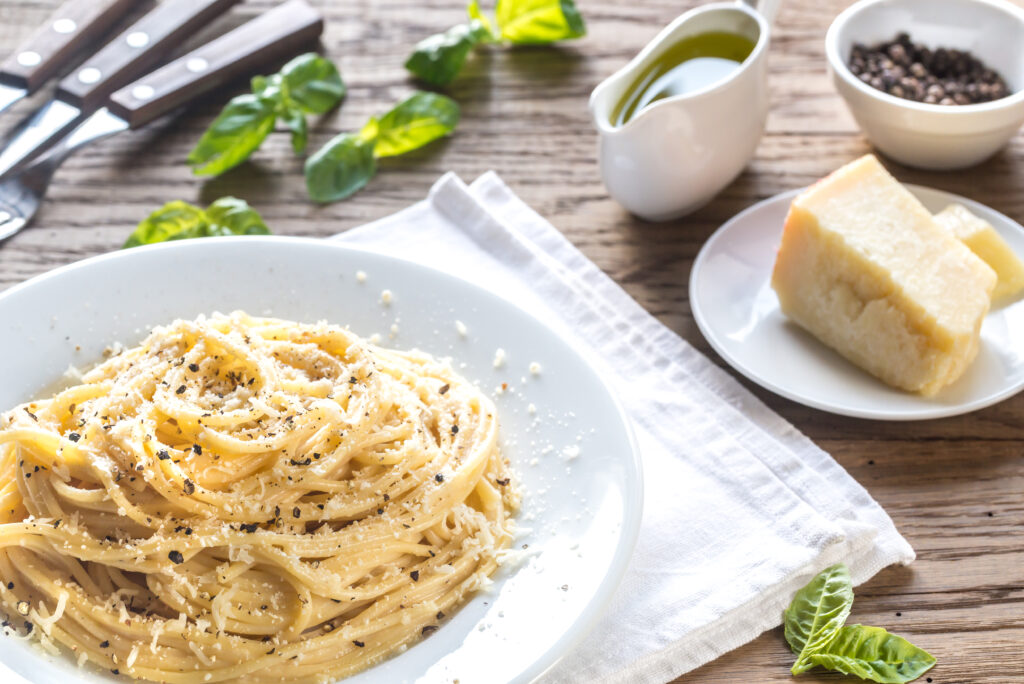
One of Rome’s most iconic pasta dishes, Cacio e Pepe is made with Pecorino Romano cheese and black pepper. Despite its simple ingredients, it is rich, creamy, and full of flavor.
Why Try It? It’s considered the most traditional Roman pasta dish.
2. Taste Authentic Carbonara
Carbonara is one of Rome’s most famous dishes, prepared with egg yolk, Pecorino Romano cheese, guanciale (cured pork), and black pepper. Authentic Roman Carbonara never contains cream.
Why Try It? It’s a must-have dish for first-time visitors to Rome.
3. Enjoy Amatriciana Pasta
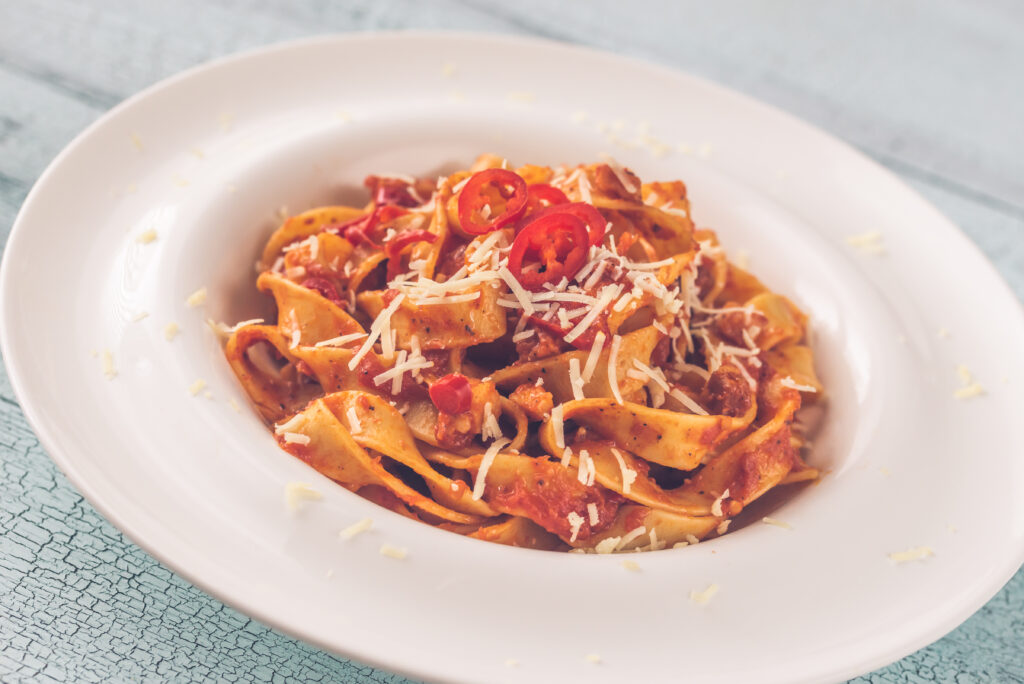
Amatriciana is a classic Roman pasta made with tomato sauce, guanciale, and Pecorino Romano cheese. It offers a rich and slightly tangy flavor that many travelers love.
Why Try It? Perfect for those who enjoy tomato-based pasta dishes.
4. Slice of Pizza al Taglio

Pizza al Taglio is Rome’s popular street food pizza, sold by weight and cut into rectangular slices. It’s a quick, affordable, and delicious option while exploring the city.
Why Try It? Great for lunch between sightseeing stops.
5. Try Supplì, Rome’s Favorite Street Snack

Supplì are crispy fried rice balls filled with mozzarella cheese and tomato sauce. They are one of the most popular street foods in Rome.
Why Try It? A perfect snack for trying authentic Roman street food.
6. Try Authentic Italian Gelato

No trip to Rome is complete without gelato. Made with fresh ingredients, authentic Italian gelato is creamier and more flavorful than regular ice cream.
Why Try It? It’s one of Italy’s most famous desserts.
7. Try Maritozzo

Maritozzo is a soft sweet bun filled with fresh whipped cream and is a traditional Roman breakfast treat. Locals often enjoy it with a cup of coffee.
Why Try It? A unique Roman dessert you won’t find in many other places.
Food Tip for First-Time Visitors
For the most authentic dining experience, avoid restaurants located directly next to major tourist attractions. Walk a few streets away and look for places filled with locals—this is usually where you’ll find better food, better prices, and a more authentic Roman atmosphere.
Dining Tips
- Lunch: 12:30 PM – 2:30 PM
- Dinner: 8:00 PM – 10:00 PM
- Expect a Coperto (cover charge) of €2–€4 per person.
- Avoid restaurants with aggressive staff trying to attract tourists.
- Walk a few streets away from major attractions for better food and lower prices.
Rome Public Transportation Guide
Rome is a highly walkable city, and many major attractions can be explored on foot. However, the metro, buses, and trams are useful for reaching places like Vatican City, the Colosseum, and neighborhoods outside the city center.
Rome Metro System
Rome has three metro lines that connect the city’s major attractions.
Line A (Orange Line)
Best for visiting:
- Vatican City
- Spanish Steps
- Trevi Fountain (via Barberini Station)
- Prati District
Line B (Blue Line)
Best for visiting:
- Colosseum
- Roman Forum
- Termini Station
- Monti Neighborhood
Line C (Green Line)
Mainly serves residential and outer districts of Rome and is less useful for most tourists.
Buses & Trams
Many popular areas, including the Historic Center, Pantheon, Piazza Navona, and Trastevere, don’t have nearby metro stations. In these cases, buses and trams are the easiest way to get around.
Popular routes for tourists include:
- Bus 64 – Termini Station to Vatican City
- Bus 40 – Fast connection between Termini and Vatican
- Tram 8 – Connects the city center to Trastevere
Public Transport Ticket Prices (2026)
These tickets can be used on Rome’s metro, buses, and trams.
- Single Ticket (100 Minutes): €1.50
- 24-Hour Pass: €7
- 48-Hour Pass: €12.50
- 72-Hour Pass: €18
- 7-Day Pass: €24
Airport Transfers
Fiumicino Airport (FCO)
Fiumicino is Rome’s main international airport and the most common arrival point for international travelers.
Best Option: Leonardo Express
- Direct train from Fiumicino Airport to Roma Termini Station
- Travel Time: Approximately 32 minutes
- Cost: €14 per person
- Runs every 15–30 minutes
This is the fastest and most convenient way to reach central Rome.
Ciampino Airport (CIA)
Ciampino is mainly used by low-cost airlines.
Best Option: Airport Shuttle Bus
- Direct service to Roma Termini Station
- Travel Time: 40–45 minutes
- Cost: €6–7 per person
This is the cheapest option for reaching the city center.
Travel Tip
Most visitors only need the metro for the Vatican and Colosseum. For attractions in the Historic Center, such as the Pantheon, Trevi Fountain, Piazza Navona, and Spanish Steps, walking is often faster and more enjoyable than using public transport.
Rome Travel Budget Breakdown (2026)
Budget Traveler
Expect to spend approximately €65–90 per day
Includes:
- Hostel accommodation
- Public transportation
- Casual dining
- Basic sightseeing
Mid-Range Traveler
Expect to spend approximately €180–300 per day
Includes:
- 3–4 star hotel
- Restaurant meals
- Major attractions
- Occasional taxi rides
Luxury Traveler
Expect to spend approximately €400–700+ per day
Includes:
- Luxury hotel
- Fine dining
- Private tours
- Premium experiences
Money-Saving Tip: Carry a reusable water bottle and refill it at Rome’s free public fountains.
Final Travel Tips for First-Time Visitors
- Book your Colosseum and Vatican tickets in advance.
- Start sightseeing early in the morning to avoid crowds.
- Wear comfortable shoes and expect to walk 15,000–20,000 steps daily.
- Carry a reusable water bottle and refill it at Rome’s free public fountains.
- Stay alert in crowded areas and on public transport.
- Leave some free time to explore local streets, cafés, and hidden spots.
- Learn a few simple Italian words like Grazie (Thank You) and Per Favore (Please).
Rome is more than just famous landmarks. Some of the best experiences come from walking through quiet streets, discovering local restaurants, and enjoying the city’s unique atmosphere at your own pace.
Frequently Asked Questions (FAQ)
Is Rome worth visiting for first-time travelers?
Yes. Rome is one of the best destinations in Europe for first-time visitors thanks to its history, culture, food, and iconic landmarks.
How many days do you need in Rome?
A minimum of 3 days is recommended, while 4 days allows you to explore the city at a more comfortable pace.
What is the best month to visit Rome?
April, May, September, and October offer pleasant weather and manageable crowds.
Is Rome expensive for tourists?
Rome can fit most budgets. Budget travelers can spend around €65–90 per day, while mid-range travelers should expect €180–300 per day.
Is Rome safe for tourists?
Rome is generally safe, but visitors should be cautious of pickpockets in crowded tourist areas and public transportation.
Do I need to book Colosseum tickets in advance?
Yes. Booking at least a few weeks in advance is strongly recommended, especially during peak travel seasons.
Can I drink tap water in Rome?
Yes. Tap water and public fountain water are safe to drink throughout the city.
What area is best for first-time visitors?
Centro Storico is the best area for first-time visitors because it provides easy access to Rome’s major attractions.
